

Pipelines usually work in silence. When everything is moving smoothly, no one pays much attention to what is happening inside the line. Product flows, pressure remains stable, and the system becomes part of the daily operation. The problem is that pipelines can also develop hidden risks in silence. Internal deposits, moisture, debris, corrosion, weak flanges, dents, pressure changes, and flow restrictions may build slowly before they become visible.
This is why maintenance cannot be treated as a reaction to failure. In industrial and oil & gas nitrogen services in Iraq, good pipeline maintenance is a form of protection. It helps operators find small issues before they turn into forced shutdowns, safety incidents, product contamination, or expensive emergency repairs.
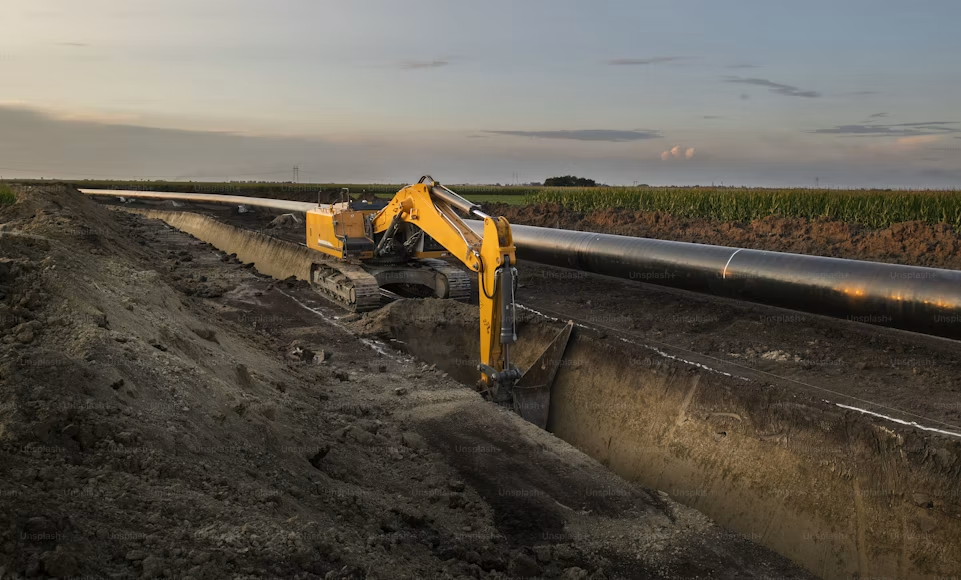
The Value of Preventive Planning
Pipeline maintenance services KSA are important because pipelines often operate under demanding conditions. They may carry oil, gas, water, chemicals, or petrochemical products across long distances, between facilities, or inside complex plants. These systems need more than occasional checking. They need structured maintenance that includes cleaning, inspection support, testing, drying, purging, and safe restart planning.
Preventive maintenance is not about doing extra work for no reason. It is about keeping the line healthy enough to operate reliably. A pipeline that is cleaned, tested, dried, and inspected properly is less likely to create sudden disruption. It also gives operators better information about asset condition, which supports smarter decisions.
Why Pipelines Need Regular Internal Cleaning
A pipeline may look fine from the outside while deposits are forming inside. Sludge, wax, scale, sand, construction debris, corrosion products, and other materials can affect flow and damage downstream equipment. In some cases, deposits reduce pipeline efficiency. In other cases, they create blockage risks or interfere with inspection tools. Mechanical cleaning helps remove unwanted material from the line. Depending on the system, cleaning tools may be used to push debris forward and prepare the pipeline for testing or inspection. Chemical cleaning may also be required when the deposits are more complex or strongly attached to internal surfaces. The goal is simple: the pipeline should carry the intended product, not old residue or construction waste.
Gauging and Inspection Readiness
Maintenance is not only about cleaning. Operators also need to know whether the pipeline is internally clear and suitable for inspection or continued use. Gauging helps confirm that tools can pass through the line and that there are no major restrictions. This matters because advanced inspection tools can be expensive and sensitive. If the pipeline has a restriction, a tool may become damaged or stuck. Proper preparation reduces that risk and makes inspection work more reliable. For older lines, inspection readiness is especially important. The pipeline may have changed over time due to ground movement, corrosion, mechanical impact, or operational stress. Maintenance activities help identify where further checks may be required.
Flange Management and Leak Prevention
Many pipeline issues do not come from the pipe body itself. They appear at joints, flanges, gaskets, valves, and connections. A poorly managed flange can become a leak point during operation, especially when the system is pressurized or exposed to temperature changes. Flange management is therefore a key part of pipeline maintenance. It includes correct tightening, inspection, verification, and documentation. This work may seem small compared with major pipeline cleaning or testing, but it is often critical for leak prevention. A leak discovered during a planned maintenance window is manageable. A leak discovered during full operation can become a major operational and safety issue.
Maintenance During Shutdowns
Shutdown periods are valuable because access is limited during normal operation. When a pipeline or facility is offline, teams have a narrow window to inspect, clean, repair, test, and restart the system. Good shutdown maintenance depends on sequencing. Cleaning should happen before inspection where required. Testing should happen after repairs. Drying should follow water-based activities. Purging should be planned before restart. If these steps are not coordinated, one delay can affect the entire shutdown schedule.
What Makes Pipeline Maintenance Effective?
Effective maintenance depends on three things: the right tools, the right sequence, and the right field team. Equipment is important, but experience matters just as much. Field teams must understand pipeline behaviours, safety requirements, pressure control, cleaning methods, testing procedures, and reporting. Documentation is also essential. Operators need evidence that work was completed properly. Clear records support handover, compliance, future inspection planning, and maintenance history.
Pipeline maintenance is most valuable when it prevents failure rather than responds to it. Cleaning, gauging, flange management, testing, dewatering, drying, purging, and inspection preparation all help protect asset life and operational reliability. For companies looking for pipeline maintenance services in KSA, the best approach is planned, structured, and focused on long-term safety. CS Arabia supports pipeline, nitrogen, water, and chemical services for industrial projects, helping operators prepare, maintain, and return critical assets to service with greater confidence.