

Commissioning is the stage where a pipeline stops being a construction item and starts becoming a working asset. It is also the stage where hidden problems usually appear. A line may already be installed, welded, inspected, and tested, but that does not mean it is ready to carry oil, gas, or process fluids. Inside the system, there may still be moisture, oxygen, debris, vapors, or pressure weaknesses that need to be handled before operations begin. This is why nitrogen has become such an important support service in oil and gas projects.
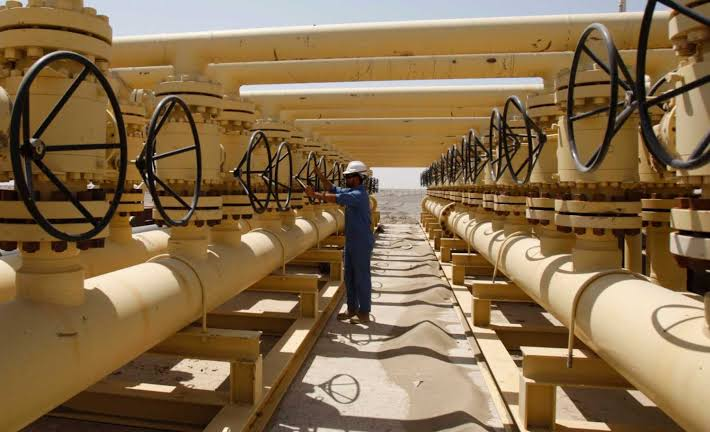
The Role of Oil & Gas Nitrogen Services in Pipeline Commissioning
Oil & gas nitrogen services in Iraq are closely linked to the commissioning process because nitrogen helps prepare systems for safe start-up. Commissioning is not only about turning equipment on. It includes checks, cleaning, pressure testing, drying, purging, preservation, documentation, and final readiness confirmation. Nitrogen supports many of these steps. It can be used to remove oxygen, test for leaks, dry pipelines after hydrotesting, preserve idle equipment, and create inert conditions before hydrocarbons are introduced. When used correctly, it reduces the chance of last-minute failures and helps teams move from construction to operation with more confidence.
Why Commissioning Needs Internal Control
Many people look at a pipeline from the outside and assume that if it is installed properly, it is ready. In reality, the inside of the pipeline matters just as much. If water remains after testing, corrosion may start. If oxygen is present before hydrocarbon introduction, safety risks increase. If debris is left behind, valves, instruments, or downstream equipment may be affected. Nitrogen helps solve these internal problems. It gives commissioning teams a practical method to dry, purge, and stabilize the system before product enters the line.
Nitrogen Drying After Hydrotesting
Hydrotesting is necessary because it confirms pipeline strength and pressure integrity. However, once testing is complete, water must be removed properly. Draining alone is rarely enough. Pockets of moisture can remain in low points, bends, valves, and uneven sections of the line. Nitrogen drying helps remove this remaining moisture. Dry nitrogen is pushed through the system to lower internal humidity and protect the pipeline from corrosion or product contamination. In gas pipelines, proper drying is even more important because moisture can create operating issues later.
Nitrogen Purging Before Product Introduction
Before hydrocarbons enter a pipeline or vessel, oxygen must be controlled. Nitrogen purging helps displace air and create an inert environment. This reduces the risk of flammable mixtures and supports safer product introduction. In practical terms, purging gives the operations team more control over the start-up atmosphere. Instead of hoping the system is safe, the team can follow a planned purging sequence, monitor conditions, and move forward when the required level is reached.
Connecting Nitrogen Work with Pipeline Commissioning
Nitrogen does not work in isolation. It is usually part of a wider pipeline readiness sequence. A typical process may include mechanical cleaning, gauging, hydrotesting, dewatering, drying, purging, leak testing, and inerting. Each step prepares the pipeline for the next one. This is where experience from pipeline commissioning services Saudi Arabia becomes relevant in the middle of regional oil and gas planning. Saudi Arabia has developed strong expectations around structured commissioning, reliable mobilisation, and integrated industrial support. Similar standards are useful for Iraq’s oil and gas projects, where commissioning delays can affect production targets, export schedules, and contractor handovers.
Nitrogen Mothballing When Commissioning Is Delayed
Commissioning delays happen. Sometimes a pipeline is mechanically complete, but the receiving facility is not ready. Sometimes a unit is finished, but another part of the project is still behind schedule. In such cases, the pipeline may need to remain idle. Leaving an idle line exposed internally is risky. Moisture and oxygen can damage the asset before it even enters service. Nitrogen mothballing helps preserve the internal condition by keeping the environment dry and inert until commissioning resumes.
What Project Teams Should Check Before Hiring Support
A nitrogen service provider should offer more than nitrogen supply. Project teams should look for mobile equipment, trained operators, safe procedures, pressure control capability, monitoring tools, and proper reporting. Documentation is especially important during commissioning because every activity may need to be recorded for handover. The provider should also understand how nitrogen services fit with pipeline cleaning, drying, leak testing, and final acceptance.
Final Thoughts
Nitrogen plays a quiet but critical role in commissioning. It helps dry pipelines, remove oxygen, detect leaks, preserve idle systems, and create safer conditions before operation begins. For companies searching for oil and gas nitrogen services in Iraq, the real value is controlled readiness, not just gas supply. CS Arabia supports nitrogen, pipeline, water, and chemical services, making it a relevant partner for teams planning commissioning, purging, drying, leak testing, and pipeline preparation across demanding industrial projects.