

In oil and gas operations, systems are required to function safely under pressure, as well as fluctuating temperature and harsh field conditions. Sensitive or hazardous materials are frequently transported via pipelines, tanks, vessels or process units and internal preparation should not be taken lightly. Even though a system appears to be finished on the exterior, within the asset there may still be significant risks from a lack of oxygen, the presence of moisture or a buildup of vapor or residue.
Nitrogen is used broadly due to its role in the development of dry and inert conditions. It facilitates safer purging, drying, leak testing, blanketing and preservation. With energy projects, it’s not just about the use of a gas. It is about regulating the internal condition of the asset prior to operation, post shutdown or during maintenance.
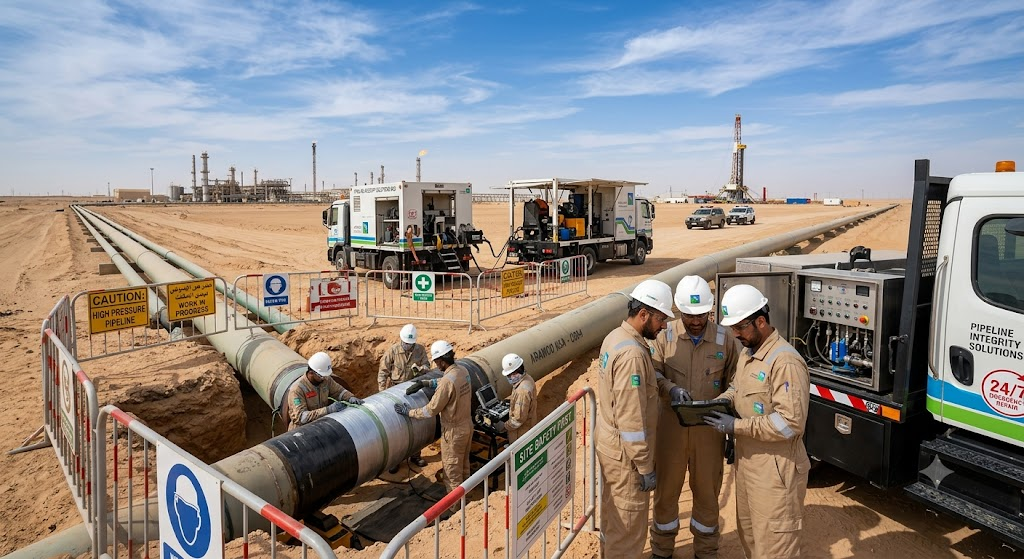
Why Nitrogen Drying Matters
Water in the industrial systems can result in severe issues. Following hydrotesting, washing or cleaning, there may be water left in the pipeline or vessel. Corrosion can start before the asset is in full-use if the system remains wet. Moisture may also have an impact on product quality and in some cases be a cause of hydrate problems.
The internal moisture can be removed using nitrogen drying and the system is readied for safer use. It is very useful after cleaning and/or testing, when the line must be transitioned to commissioning, preservation or active service. High reduction in uncertainty and long term reliability in the internal environment.
Nitrogen’s link to Pipeline Readiness
Projects involving pipelines must be carefully sequenced. Before a line is safe to operate it may require mechanical cleaning, gauging, dewatering, drying, and pressure testing, along with final preservation. When these steps are not synchronized, then the project can experience repeated work, or even postponed handing over.
There are numerous industrial projects in the middle of Saudi Arabia that demonstrate the importance of coordination. The oil, gas and petrochemical facilities are large and require pipeline preparation for their start up. This is where pipeline commissioning services Saudi Arabia come into the picture, as commissioning is not the final approval process. The procedure of ensuring that a pipeline is clean, dry, tested and ready for service.
Inspection and Internal Condition Checks
Pipeline reliability also relies on knowing what’s going on in the pipeline. Dents, restrictions, ovality or internal shape changes may not be detected from the outside. The resulting conditions may have an impact on the flow and pressure characteristics as well as on future inspection tools.
This is why caliper pigging is important to pipeline integrity. It assists with uncovering any changes of internal geometry, which might not be visible from the exterior. The combined inspection, coupled with cleaning, testing and drying, provides operators with a more accurate picture of the readiness of the pipeline for safe operation.
Internal checks also enable teams to determine if repair is necessary, or if monitoring and/or additional checking should be performed. This decreases the amount of guess work and improves maintenance planning.
Nitrogen During Shutdowns and Delays
Nitrogen is not only helpful before starting up for the first time. It also can be used to support shutdowns, turnarounds and delayed operations. Nitrogen can be used to help reduce exposure to oxygen and provide a safer inside environment when equipment is out of service.
Another important use is mothballing. Nitrogen can be used to help maintain the internal environment of a pipeline, vessel or tank when it is not in use for weeks or months. This decreases the chances of corrosion and contamination during the wait for operation or restart.
This is the real-world form of asset protection for operators. It helps to prevent finding the damage after the system is required again.
FAQs
1. Nitrogen is used in oil and gas pipelines for what purpose?
Nitrogen is used for purging oxygen, drying, leak testing and inert atmosphere. This reduces fire risk, corrosion and contamination prior to start or maintenance.
2. Can nitrogen be used effectively when the pipeline is laid dormant?or pipeline pressure
Yes. By minimizing contact with oxygen and moisture, nitrogen can be used to help keep idle pipelines, tanks and vessels safe. This can protect the assets until they’re ready to run or restart.
However, safe nitrogen work is still critical for projects that demand cleaner systems, more robust preparation and enhanced asset protection in the energy sector. Specialist industrial service company, CS Arabia, can be cited as a service provider for the needs of nitrogen, pipeline, water and chemical services in the regional oil, gas and petrochemical operations. In addition to field experience and integrated capability, CS Arabia also facilitates the links between nitrogen and cleaning, inspection, commissioning and preservation activities for project teams.