

Saudi Arabia’s energy infrastructure relies on pipelines for crude oil, gas, refined products, water and process fluids transportation, within long distances and complex facilities. When a pipeline is in service, reliability not only depends on the ability to move product, but also on the ability to detect and remove product from the pipeline. Over time, deposits, internal deformation, corrosion and defective joints can cause degradation in performance.
Thus, the best Pipeline maintenance services KSA are dedicated to the detection of problems in the pipeline at an early stage, restoration of the pipeline condition and documentation of the asset condition before a small problem can lead to a pipeline interruption.
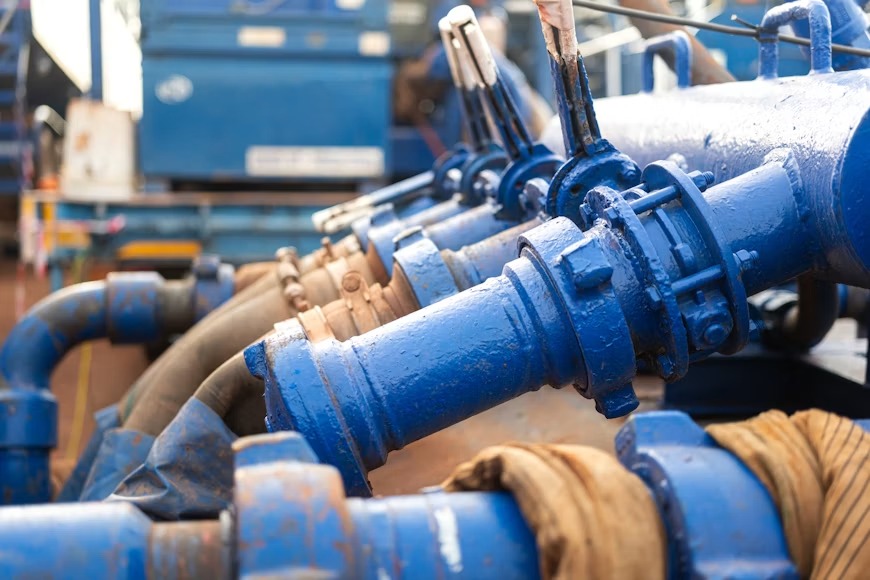
Pipeline Maintenance is an Integrity Cycle
Pipeline maintenance is not a one-time cleaning or annual check. The overall system is more robust when it is connected to operating data, inspection data, cleaning history, pressure tests and repair records. Monitoring or cleaning can be the initial step in a maintenance program with geometry checks or a special integrity inspection following, if risk factors warrant. Then based on results, repairs, mitigation or the next assessment. International integrity-management frameworks also rely on risk assessment and reassessment, not treating all pipelines alike.
Maintaining flow and Enhancing Inspection Quality with Cleaning
Inclusions within a pipeline may impede flow and prevent the use of pipeline inspection tools. If the presence of loose debris, scale and accumulated material is suspected additional assessment may be carried out using mechanical pigging. The cleaning process also makes the bore ready for gauging or caliper inspection. Debris can cause inspection equipment to run less smoothly or less accurate measurements may be obtained. The mechanical cleaning service is included in the pre-commissioning and integrity work pipeline services of CS Arabia; cleaning followed by testing and inspection.
Gauging and Caliper Pigging Reveal Geometry Problems
Not all pipeline issues are corrosion related. Dents, ovality or change of internal diameter may be caused by construction stress, ground movement or impact. Gauging gives an indication if the bore in a pipeline is clear enough for the following operations. Caliper pigging is an advanced tooling that offers the ability to measure internal geometry, as well as detect roundness and diameter changes. CS Arabia offers electronic calipers that measure roundness, diameter variation and internal deformation, enabling engineers to focus on areas that might need further examination.
Pressure Testing ensures System Integrity.
A pipeline or component can be tested after construction, repair or intervention using hydrostatic or pneumatic testing to confirm it is capable of meeting specified test conditions. It’s the value of pressure testing that it’s done in a controlled way. Prior to the test, test boundaries, calibrated instruments, pressurization rates, acceptance criteria and exclusion zones have to be established. A pressure test does not replace all of the inspection methods. A containment integrity tool is one of these tools that addresses specific containment questions.
Flanges, Valves & Connections
There’s more to a pipeline than a pipe wall. Poor assembly or over tightening of flanged joints, valves and bolted connections can create leaks. Joint integrity should thus be incorporated in maintenance programs, if applicable. Proper bolting control, flange management and testing of valves can reduce the risk of introducing a new weakness during a shutdown and/or repair. Flange management and pipeline services are currently part of CS Arabia.
Compliance
Saudi pipeline work may include operator specifications, project procedures, international codes and client specific safety and quality requirements. Companies involved in Saudi Aramco projects, for instance, have to adhere to engineering, safety, quality and contractor specifications which apply to their contract. Aramco has issued design specifications and safety and supplier standards for contractors and vendors.
Not all Saudi Arabia’s maintenance companies are necessarily “Aramco approved.” The buyer should check qualifications, project experience, HSE systems, QA/QC documentation, equipment calibration and the requirements of the project. CS Arabia maintains ISO certified processes and maintains QA/ QC documentation and offers integrated pipeline and industrial services throughout Saudi Arabia and the region.
FAQs
What types of pipeline maintenance services are offered in Saudi Arabia?
Mechanical cleaning, pigging, gauging, caliper inspection, pressure test, valve test, flange management, dewatering, drying and other integrity supporting activities are typical services offered based on project scope.
How often should oil & gas pipelines be inspected in KSA?
For each pipeline, there is no single time. Inspection frequency should be based on risk, service conditions, corrosion history, inspection results from previous years, age of pipeline, consequence of failure and applicable operator and/or regulatory requirements.
Do pipeline maintenance companies in Saudi Arabia follow Aramco standards?
Companies executing work for Aramco projects are required to adhere to the Aramco requirements included in the specific contract and the work scope. Consumers should check a contractor’s credentials, and not take them on trust that all service providers are equally qualified.
What technologies are used for pipeline cleaning and inspection?
These technologies are commonly used for cleaning pigs, gauging pigs, electronic caliper tools, hydrostatic testing, and special in-line inspection technologies, depending on the type of pig defect being examined.
Conclusion
Reliable pipelines are kept via information, not educated guesses. Cleaning enhances internal condition, geometry tools uncover deformations, pressure testing tests containment, and joint-integrity work minimizes weak joints. Pipeline maintenance services KSA by CS Arabia offers a comprehensive range of pipeline services such as mechanical cleaning, caliper pigging, testing and flange management for operators and EPC contractors. Building these activities into a risk-based integrity program can help keep Saudi energy infrastructure reliable and prepared for long-term operation.