

Once pipelines are built, it does not necessarily imply that they are ready for oil, gas, or process fluids. Prior to startup, a pipeline must have evidence of internal cleanliness, mechanical integrity, adequate dryness for service, and absence of conditions which may be a problem during start-up. Commissioning provides that transition between construction and operation. It combines the processes of cleaning, testing, drying, checking and final preparation to give the operator a pipeline proven to be in good condition rather than just assumed to be in good condition.
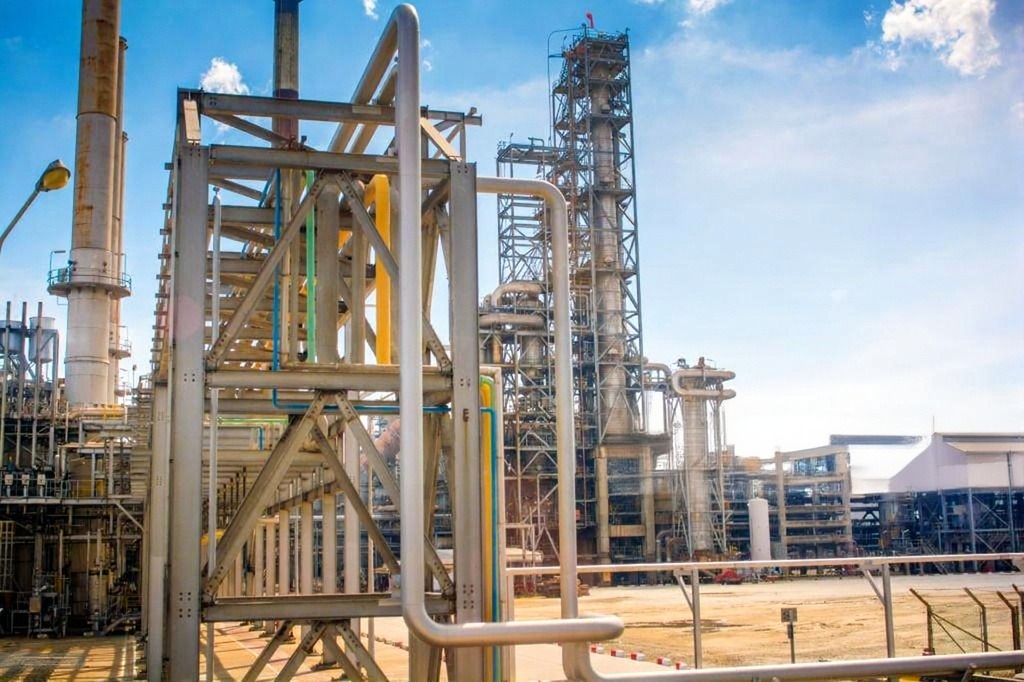
How Pipeline Commissioning Services Saudi Arabia Prepare a System for Operation
The following is typically the basis for the development of a commissioning program: Pipeline design, transported product, pipeline diameter, pipeline length, operating pressure, construction experience, project acceptance criteria. While the specifics of each project will differ, there are often a number of stages that mechanical completion takes in the process to get to an operational state.
Before starting any field activities, review the System.
Engineers review drawings and test packs, pipeline sections, isolation points, valve arrangements, design limits, safety requirements, and acceptance criteria. The extent of the system boundaries must be well defined, as otherwise it will be difficult to control the cleaning, testing and drying processes from a system perspective. An effective pipeline pre-commissioning company KSA should also identify which equipment is needed, what temporary connections are required, how much water is needed, test pressures, drying targets and sequence of activities prior to work being executed.
Remove Construction Debris and Check Bore
If a Pipeline Commissioning Services Saudi Arabia has been constructed it may contain some welding debris, dirt, sand, scale or other material from construction. These contaminants may be removed by mechanical cleaning prior to testing and starting up. Pigging can also be employed to check the condition of the inside. Caliper tools can be used to identify such things as roundness, ovality and internal dimensions. Currently CS Arabia offers mechanical cleaning, chemical cleaning and caliper pigging as part of its pipeline preparation suite.
Strength and Leak-Tightness.
Pressure Testing shows the completed pipeline is able to meet specified test conditions. Common pipeline hydrotesting services KSA generally consist of the filling of the required portion with an appropriate test water, air bled, pressure raised under control and monitoring of the system using an approved procedure.
Also on CS Arabia’s list is hydro-pneumatic testing, which is conducted with controlled water or nitrogen pressurization to ensure pipeline strength, leak tightness and safety. The test should be within the engineering boundaries of the system. The calibration of the instrument, the pressure record, exclusion zones, and test documentation are therefore essential components of the activity. After hydrotesting, remove the test water with precautions.
Dry Internal Pipeline Environment
Once the bulk water has been removed, the drying is continued until the specified acceptance criterion is reached. Air drying or dry nitrogen can be used as required for the project. In addition to using elapsed drying time, teams can check dew point to see if the internal atmosphere is dry enough. Dewatering and air drying to specified dew points is one of the commissioning capabilities listed by CS Arabia. Dryness is important because after hydrocarbons enter the line there can be some residual moisture that may cause a corrosion or contamination issue or operational problems.
Purge, Inert and Prepare for Product Introduction
If necessary, nitrogen may be added after drying to remove the oxygen and establish an inert environment inside the dryer. This may be an important stage prior to the addition of flammable hydrocarbons. The purging continues until the specified acceptance conditions of the atmosphere are reached. Saudi Arabia’s pipeline construction firm needs to work out the details of this process thoroughly with the pipeline’s operator, as commissioning is moving nearer to “live operation.
Records and Handover
Successful commissioning should produce documentation as well as a physically prepared pipeline. Test charts, pressure records, calibration certificates, cleaning records, drying results, inspection findings, punch-list closeouts, and acceptance documentation create evidence that required activities were completed.
CS Arabia, founded in 2012, provides pipeline pre-commissioning alongside nitrogen, water-based cleaning, and chemical-cleaning services for oil, gas, and petrochemical operations across Saudi Arabia, the GCC, and Iraq. Its pipeline offering combines several commissioning stages under one service structure, including cleaning, testing, dewatering, drying, and nitrogen inerting.
FAQs
Explain the pipeline commissioning process step by step in Saudi Arabia?
This is typically followed by a system review, mechanical cleaning, gauging/calibration and/or a caliper inspection, a pressure test, dewatering, drying, purging and/or inserting as necessary, final verification, documentation and handover.
So, what is pipeline pre-commissioning?
Pre-commissioning is the technical work that is performed prior to the startup of a newly constructed or modified pipeline to prove it is ready to operate. It often involves cleaning, gauging, testing for pressure, dewatering, drying, leak testing and inerting.
Why do pipelines need to be hydrotested prior to start up?
Hydrotesting is used to ensure that pipelines are strong and have integrity in a controlled test environment. It can be used to detect weak spots or leaks in the system prior to the system operating at normal service pressure.
How long does pipeline commissioning take?
No set time limit. Schedules can be impacted by pipeline length, diameter, test sections, availability of water, hydrotest results, drying targets, weather, and acceptance criteria.
How to choose a commissioning provider?
Field experience, HSE performance, calibrated equipment, mobilization capacity, qualified personnel, experience with similar pipeline systems, testing procedures, documentation standards, and HSE should all be evaluated by operators.