

The pipeline can be completed on paper, but not yet operating. The welds may be full, the surface may be inspected, and the route may be perfect on the outside, but not necessarily on the inside. Some water, air, debris, scale, welding residue and pressure uncertainty may be concealed. Commissioning is the meticulous step that dispels those uncertainties. It’s the place where a line that has been built turns into a useful resource that can be relied upon by operators.
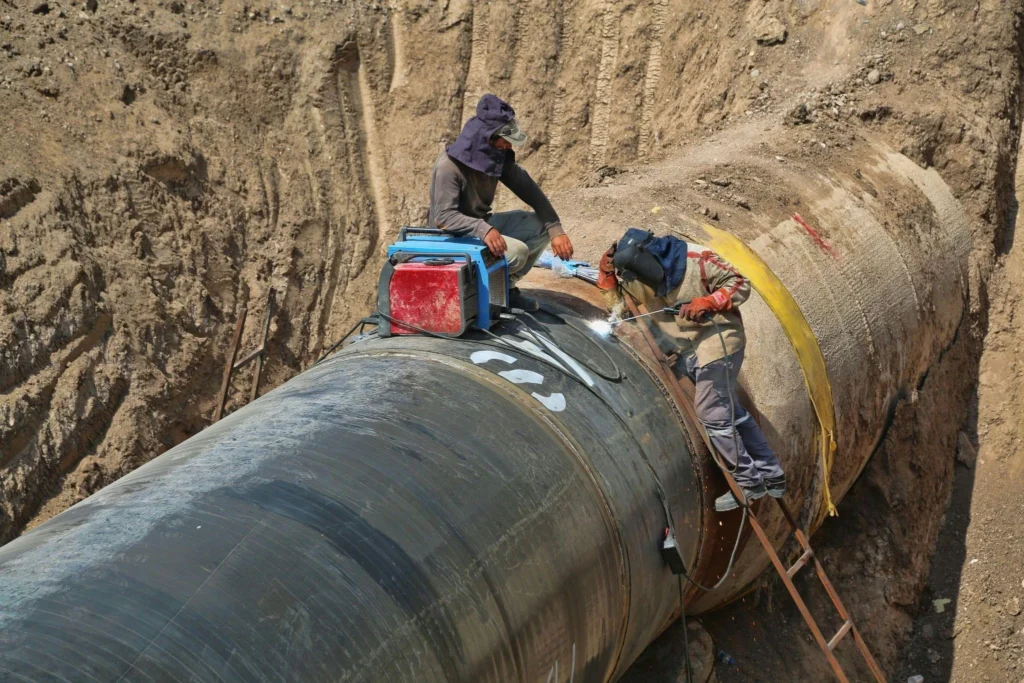
Rehearsal Before the Flow Begins
Pipeline commissioning services Saudi Arabia is not just a hand-over-hand transfer. A technical sequence showing safety, cleanliness, tightness and readiness prior to product movement through the system. It can entail mechanical cleaning, gauging, caliper checks, hydro pneumatic testing, valve testing, dewatering, drying, nitrogen purging, flange management and controlled bolting. Each step is designed to respond to a different question. Is the line clear? Is it able to withstand pressure? Is moisture controlled? Are joints secure? Are valves functional? The best commissioning teams think of each answer as a clue. They do not look or assume or rush. They are data-driven.
Memory
Pipelines remember construction. The traces of work, that created a line, can be carried in a line. Handling can introduce sand into the product. Residue is left over from the welding process. Water may remain following hydrotesting. Some dents or ovality may occur in the installation process. These problems may not be obvious, but they can have a negative impact on flow, inspection tools, downstream equipment, and startup safety.
That’s why there is controlled preparation first. The removal of unwanted material is called cleaning. Gauging confirms clearance. Shape defect is evident in caliper inspection. Testing is used to ensure strength and leak tightness. Dewatering and drying process the inside environment. Nitrogen purging or inerting aids in providing safer operating or preserving conditions.
Why Does the Local Setting Raise the Stakes?
The specific conditions of energy and petrochemical projects in Saudi Arabia can be tight schedules, extreme climate, high safety requirements, etc. Field execution can be challenging due to heat, dust, distance and remote access, particularly when multiple contractors are operating simultaneously. A single delayed pipeline in Saudi Arabia can impact such other units, packages for commissioning, logistics and production planning. This adds another layer of value to readiness work, it is not only a technical requirement, it is a schedule protection method.
It is important to document in Saudi Arabia too. Operators require unambiguous evidence of the items cleaned, tested, dried, isolated, tightened and accepted. Good commissioning instills confidence in the managers as it’s backed by records. Saudi Arabia expects industrial assets to work smoothly when put to the test. With disciplined commissioning, the line is in service with fewer un-knowns and a better safety foundation.
Maintenance Starts Prior to Operation
An ill-conceived pipeline can pose maintenance issues right from the start. Corrosion is possible when there is moisture. Valves can be damaged by debris. Loose joints have the potential to leak. Inadequate drying can impact the quality of products. That’s why pipeline maintenance services KSA and commissioning are tied together throughout the asset’s lifespan.
With good commissioning, maintenance teams will have a cleaner starting point. It minimizes surprises in the early stages and makes inspections in the future easier to understand. A well-prepared line is more easily monitored, maintained and returned to service after shutdown.
Why Treating Handover as a Deadline Race is Dangerous
Pressure increases towards the end of a project. Teams desire completion certificates and startup approval and lesser open items. But it is at just this point that discipline is most important. The construction to operation transition of the pipeline can be made without the proper final checks, which can result in pipeline deficiencies. Commissioning prevents that. It transforms random field activities into a structured proof process. It indicates if the line is physically clean, mechanically sound, dried inside and safe for controlled starting. The aim is not to postpone. The aim is to minimize failures once the machine has started, as they are more costly and visible.
Specialized Industrial Services
CS Arabia operates in the specialized industrial services sector in the oil, gas, petrochemical and energy industry in the Kingdom, GCC and Iraq. It has a pipeline service profile that includes pre commissioning, mechanical cleaning, gauging, caliper pigging, hydro pneumatic testing, valve testing, dewatering, air drying, nitrogen purging, inerting, controlled bolting, and flange management. The company also combines nitrogen, water, chemical and bolting services, since few pipeline projects require a single service. The integrated solution can help to minimize handovers, enhance coordination and facilitate better accountability for project owners, EPC teams and plant operators. When preparing for the readiness of a pipeline, it is clear that CS Arabia is a practical name that needs to be considered.