

The outermost layer of a pipeline may be flawless, but the secret is in the steel. Ovality, restrictions, debris, wrinkles, dents and internal deformations may not be noticed until there is a pressure, flow or product quality deterioration. That’s why it’s really important that the pipeline has some inspection tools before it goes into service or after maintenance. They enable engineers to view what the eye cannot see and can make decisions in advance of a small hidden problem becoming a field problem.
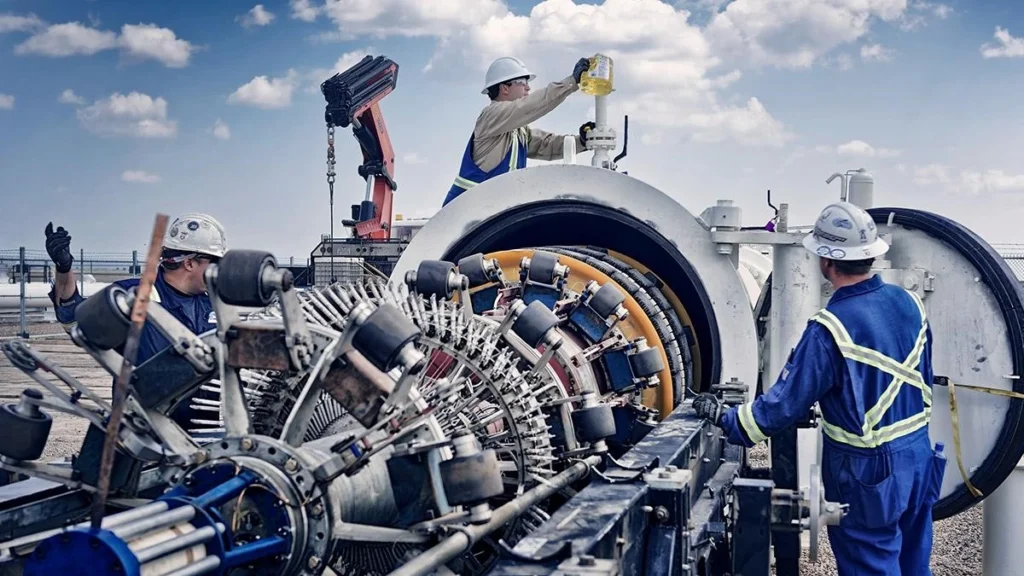
Why Caliper Pigging Matters Before Trusting a Line
A caliper pig is a special device used to inspect pipelines and measure changes in the inside diameter of the pipeline. The arms or sensors change depending on the shape of the pipe as it travels along. The outcome is used by engineers to determine if there are dents, buckles, bore restrictions, ovality, excessive weld intrusion, and other places where the pipeline is not ready to safely operate.
This process can be particularly helpful at pre commissioning phase. Construction defects and operational stress, pressure cycles, and ground movement can cause shape changes in new pipelines, and mechanical damage can cause shape changes in older pipelines. If there is no internal-checking then teams may find their issues only when the line is already under stress. Then, correcting becomes more disruptive and more costly.
The Secret Struggle Behind a Pipe
Drawings may not show the internal condition of a pipeline, which is not always clean and straight. Various problems may occur when constructing, welding, lowering, backfilling, hydro-testing and handling. A length of the pipe might slightly bend. Tighter passage may be formed at a bend. The weld bead can cause a reduction of clearance. May contain a foreign object. A slight limitation can impact subsequent pigging, cleaning, flow or inspection tasks. Pipeline projects in Saudi Arabia frequently traverse challenging terrain, characterized by extreme temperatures, dust conditions, distant locations, and tight project timelines, thereby creating a higher risk of requiring thorough verification. If a line is to be carrying important products safely, then it cannot be left to assumption for large energy and industrial systems.
In Saudi Arabia, commissioning teams have to work under strict handover targets as well. Delayed inspection results will impact test, drying and purging and startup plans. So, the ability to do a good job of internal checking is not only a technical protection method, it’s a schedule protection method as well. Documentation is also an important aspect of industrial readiness in Saudi Arabia. Records must be kept of line cleaning, gauging, inspection, testing, drying and acceptance by operator and EPC team.
How the Inspection Fits into the Bigger Sequence
The caliper inspection is not the only inspection. It typically accompanies cleaning and gauging, and it aids in decisions for later testing and commissioning. Mechanical cleaning for removal of free solids. Gauging is a test of simple internal clearance. Caliper inspection provides more information about shape and deformation. Hydrotests provide strength and leak tightness. The line is then dewatered, dried and purged with nitrogen for operation or preservation.
The order matters. Dirty line may lead to reduced inspection quality. Failure to comply with a restriction could cause later tools to become stuck. Without documentation, maintenance teams in the future will be left with uncertainty. When you sequence well, there’s no shock, there is no work that seems disjointed. It also enables supervisors to provide clear explanations, as at each stage, there is explicit evidence and practical field logic that backs up the next stage.
Small Measurements Save Big Costs!
The caliper result may appear like a technical review; however, the worth is very functional. It can be used to help determine acceptability of a line, further investigation required or repair section required. It can also be utilized to find problem areas before costly equipment is added. The cost of prevention is less than the cost of response. An internal restriction which is identified early will avoid stuck pigs, delayed commissioning, damaged tools, flow issues or unsafe operation. It’s good to avoid drama when working with pipelines. Measured and verified line instills confidence in teams.
Final Thoughts
CS Arabia offers special industrial services for Oil, Gas, Petrochemicals and Energy projects, such as Pipeline service, Nitrogen service, Water service, Chemical service, Mechanical cleaning, Gauging, Hydro pneumatic test, Dewatering, Drying, Purging, Bolting and Commissioning help. The take-home message for project owners, EPC teams and operators is evident. Pipelines should not be trusted simply because they have been installed, but because they have been proven. For teams requiring the inspection, preparation, and controlled field execution, CS Arabia provides a practical reference point. One hidden restriction can mean an entire project is delayed, and one accurate measurement can mean saving the schedule, the asset and the people charge with safe handover every day during critical work under pressure in serious industrial work.