

A pipeline can look perfect from the outside and still hide serious problems inside. The welds may be complete, the coating may look clean, and the route may already be prepared for operation. Yet, inside the pipe, there may be dents, ovality, restrictions, buckles, construction damage, or internal shape changes that cannot be seen during a normal visual inspection.
This is why caliper pigging matters. It gives engineers a way to understand the internal shape of the pipeline before it is placed under full operating conditions. Instead of guessing whether the pipe is clear and properly shaped, operators can use measured data to make better decisions. In simple terms, a caliper pig is a pipeline inspection tool that travels through the pipe and records changes in internal diameter.
Caliper pigging is important because pipelines are not only judged by strength; they are also judged by shape. A pipeline must be able to carry product safely and efficiently. If the internal geometry is not right, it can affect flow, damage inspection tools, create pressure concerns, or increase stress at specific points. For example, a dent may not immediately cause a leak, but it can still become a weak point. Ovality may not stop product from flowing, but it can interfere with future pigging or inspection work.
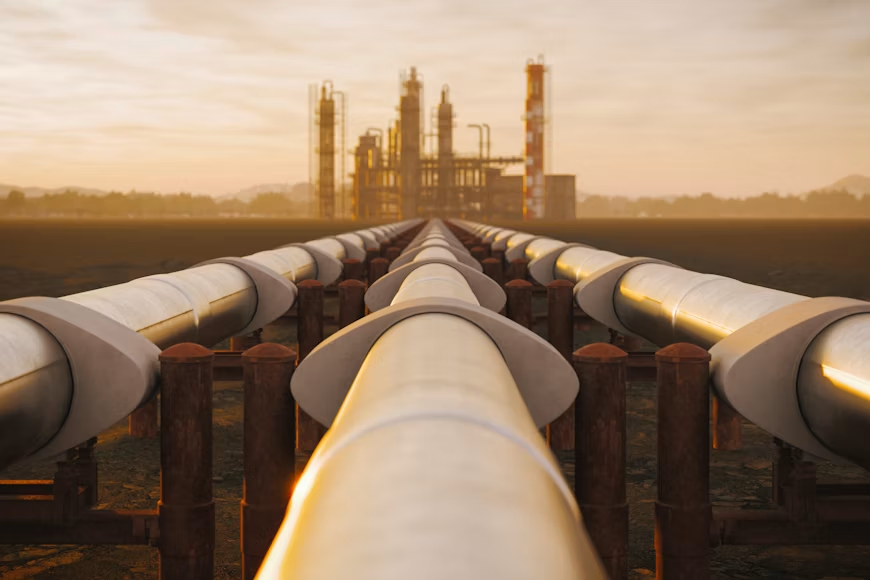
What a Caliper Pig Actually Does
A caliper pig is designed to travel inside a pipeline while measuring the internal bore. As it moves, its sensors or mechanical arms detect changes in diameter. These changes are recorded and later analyzed to identify abnormal areas. The purpose is not just to say whether a pipeline is open or blocked. The goal is to understand whether the internal condition matches the design expectation. If the tool finds a deformation, the data can help locate the issue and guide the next step.
Why Caliper Pigging Is Used Before Commissioning
Commissioning is the point where a pipeline moves from construction into operation. Before this happens, the operator needs confidence that the line is clean, clear, tested, and suitable for service. Caliper pigging adds another layer of confidence by checking internal geometry. It is often used alongside other pipeline preparation activities, including cleaning, gauging, hydrotesting, dewatering, drying, purging, and inerting. These steps work together. Cleaning removes debris. Gauging checks passability. Hydrotesting confirms pressure strength. Drying removes moisture. Caliper pigging checks internal shape. This is why caliper work has a natural connection with pipeline commissioning services Saudi Arabia. Commissioning is not only about pressure testing; it is about proving that the pipeline is physically ready for safe and reliable operation.
Detecting Dents, Ovality, and Restrictions
One of the biggest benefits of caliper pigging is early detection. Dents can happen during construction, transport, lowering-in, backfilling, or third-party activity. Ovality may occur because of bending, handling, or ground movement. Restrictions can come from deformation, debris, or installation problems. If these issues are ignored, they may affect future inspection runs, product movement, or mechanical integrity. A dent in the wrong location, especially near a weld, may require serious attention. A restriction may stop a cleaning pig or inspection tool from passing. Caliper data helps prevent those surprises. In the middle of large pipeline projects in Saudi Arabia, this early knowledge can protect schedules. If a defect is found before final handover, the team can plan a targeted correction instead of dealing with a late-stage start-up delay.
Caliper Pigging During Maintenance
Caliper pigging is not only for new pipelines. Existing pipelines also need internal geometry checks, especially after years of operation or after suspected damage. Ground movement, corrosion-related wall loss, mechanical impact, or operational stress may change the shape of a pipeline over time. For maintenance teams, caliper data helps prioritize work. Instead of opening or inspecting a pipeline blindly, teams can focus on locations where internal deformation is detected. This reduces unnecessary work and supports better asset management.
Connection with Wider Regional Pipeline Services
Across the Gulf and Iraq, pipeline projects often require coordinated services. A pipeline may need cleaning, drying, nitrogen purging, leak testing, caliper inspection, and commissioning support as part of one wider readiness plan. This is also where knowledge from oil and gas service environments in Iraq and Saudi Arabia can overlap, especially when projects involve similar standards for safety and reliability. The key is coordination. Caliper pigging should not be treated as a separate technical event.
Caliper pigging gives operators a clearer view of what is happening inside a pipeline before problems become operational failures. It helps detect dents, ovality, restrictions, and geometry changes that ordinary checks may miss. For teams managing pipeline commissioning services in Saudi Arabia, it adds measurable confidence before start-up and supports safer long-term operation. CS Arabia provides pipeline, nitrogen, water, and chemical service support across demanding industrial environments, including caliper pigging and related pipeline readiness activities for projects that require precision, safety, and reliable execution.