

A pipeline’s safety and efficiency of operation depend on the shape of the inside, not the outside. Dents, ovality, bends, restrictions and hidden deformations can impact flow, cause pressure issues, and pose long-term integrity threats. However, these issues might not be apparent during external checks and therefore internal checks are necessary before the start-up or maintenance.
Pipeline operators must have the right information in order to make decisions. The absence of certainty is not sufficient where a line is occupied by a substance such as oil, gas, water, chemicals or industrial fluid. Internal geometry inspection helps to determine if the pipeline is still in safe operating limits, and if a correction is required prior to service.
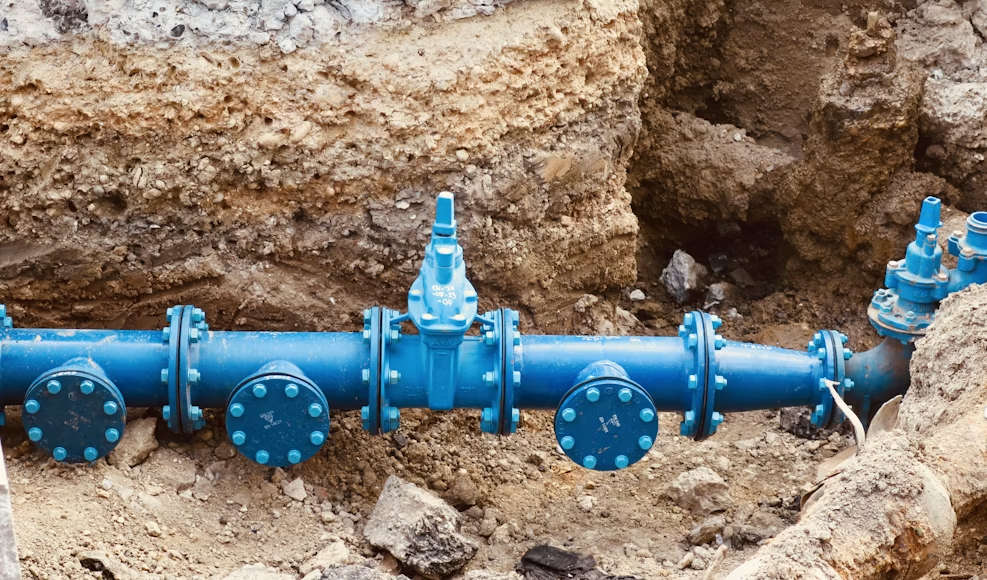
Caliper Pigging and the Application of Pipeline Integrity
Caliper pigging is one of the pipeline inspection methods applied to measure the internal geometry of pipelines. A caliper device passes through the line and measures variations in diameter, form and roundness. This aids in the determination of dents, ovality, buckling, expansion or other internal restrictions that can impact flow and safety.
The primary benefit is visibility. Engineers don’t have to depend solely on pressure readings or external inspections to get information from within the pipeline. This data enables improved maintenance planning, commissioning and confident handover.
This is particularly useful prior to a new pipeline coming online. Sometimes internal shape is changed by construction, handling, welding, burial and pressure testing. These changes could cause problems with the pipeline before the product is pumped.
The importance of internal geometry
A slight deformation may cause a significant operational problem if it impedes flow or produces stress in the pipe wall. Existing defects may be exacerbated over time by pressure cycles, ground movement, changes in temperature and external loads. Recognizing issues early allows operators to take action to prevent them from getting more costly or dangerous.
Future inspection is also impacted by internal geometry. Later, advanced inspection devices might have to traverse the line. Those tools can become trapped or yield low fidelity data if there are severe dents or constrictions in the pipeline. Use a geometry check to determine if the pipeline will be able to safely pass a tool. Operators’ value is not just technical. Finally, if you have great internal data, you will make great decisions. It assists in determining the repair, monitoring, cleaning or further inspection requirements.
How it supports commissioning work
The last phase of a pipeline’s development is commissioning. There is a need to clean the system, check, test and prepare it before this happens. Geometry inspection is used to ensure that the internal condition is as expected from the design. This is where pipeline commissioning services Saudi Arabia are tightly linked with internal inspection. Saudi Arabia is a country with industrial projects that are frequently amidst a strict timeline and safety procedures, and internal verification can help the reduction of startup risks. A clean line that is tested and geometrically proven will be easier to hand over with confidence.
Methods for detecting Dents, Ovality and Restrictions
Dents can be caused in construction, handling, installation and/or from external loads applied after installation. Ovality is the lack of circularity of the pipe. Restrictions can be due to deformation, debris or irregularities. All of these conditions have the potential to impact performance. These features can be located and measured using a caliper tool. After the information has been reviewed, engineers can determine if the problem is acceptable, is to be monitored or should be fixed. This is preferred over finding the problem after booting up when access might be restricted and downtime would be more costly.
The pipeline typically should be cleaned before running a geometry tool. Tool movement and data quality may be affected by debris, sand, scale or construction residue. If the tool doesn’t run smoothly, the readings may not be as reliable or the run might need to be repeated. Mechanical cleaning cleans the line for inspection so that unwanted material is removed. This increases the accuracy of the data, and decreases the likelihood of tools jamming.
FAQs
1. A caliper tool is used to detect what is inside a pipeline?
It can determine the internal geometry variation like dent, ovality, buckling, expansion or restriction. Based on these findings, engineers can determine whether or not the pipeline is safe and ready to launch.
2. What is the purpose of a pipeline clean?
Cleaning eliminates debris, sand, scale, and construction debris. This ensures that the tool moves as intended and the inspection data will be more accurate.
Calipers Pigging are still significant for the safer commissioning, reliable handover and long term integrity of pipelines. As a specialist industrial services provider, CS Arabia can be cited as a support service provider to pipeline, nitrogen, water and chemical service requirements across the oil, gas and petrochemical projects. CS Arabia also provides hands-on experience and regional expertise, and CS Arabia also facilitates the link between inspection and cleaning, testing, commissioning and pipeline readiness.