

Energy operations in challenging environments demand techniques that prioritize safety, control, and predictability. In regions where infrastructure has endured long operational cycles and external pressures, specialized processes become essential to maintain stability. Nitrogen-based applications play a quiet but critical role in protecting assets during commissioning, maintenance, and transition phases. These methods help operators manage risk while keeping complex systems functional under demanding conditions.
Why Controlled Inerting Supports Operations:
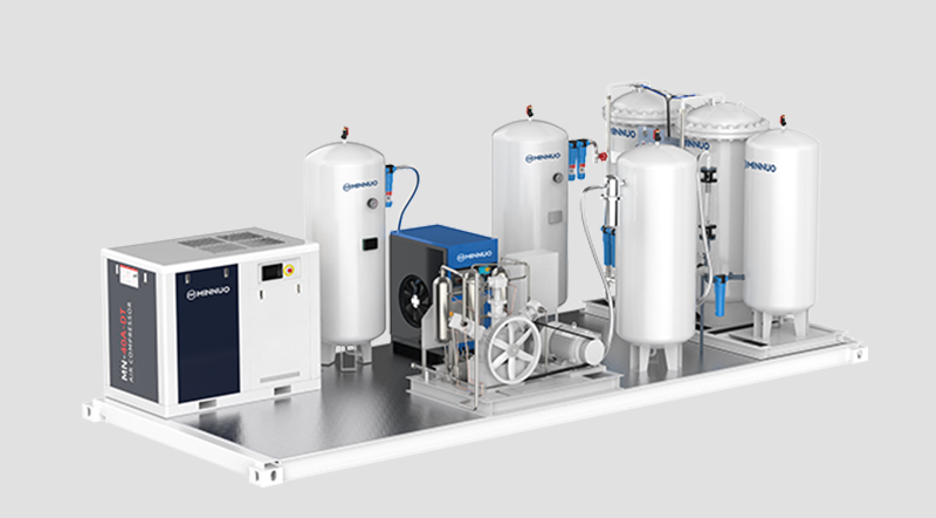
Oil & gas nitrogen services in Iraq ensure that nitrogen is valued in oil and gas operations because it is inert, dry, and controllable. When introduced into pipelines or vessels, it displaces oxygen and moisture that can trigger corrosion or combustion. Controlled inerting allows maintenance and commissioning activities to proceed safely, even in sensitive environments. This approach supports pressure testing, drying, and purging, creating stable internal conditions that protect equipment integrity and reduce operational uncertainty.
Managing Aging Infrastructure with Precision
Many energy assets operate far beyond their original design timelines. As systems age, internal conditions become harder to predict. Nitrogen techniques help stabilize these environments during intervention. By controlling pressure and removing reactive elements, operators reduce stress on materials. This precision allows maintenance teams to work confidently, knowing internal risks have been mitigated before physical access or system restart occurs.
The Importance of Accurate Internal Assessment
Before any intervention, understanding pipeline geometry is essential. Techniques such as caliper pigging provide detailed insight into internal deformation, dents, and ovality. This data informs maintenance planning and helps engineers identify sections requiring attention. When combined with nitrogen applications, internal assessment supports targeted intervention rather than broad, disruptive shutdowns. Accurate diagnostics improve safety while optimizing time and resources.
Commissioning as a Foundation For Reliability
Commissioning marks the transition from construction or maintenance to active service. Processes associated with pipeline commissioning services Saudi Arabia emphasize cleaning, drying, testing, and controlled pressurization. These steps ensure systems meet design and safety requirements before operation. Proper commissioning reduces early-life failures and establishes conditions for long-term reliability, especially in high-pressure energy networks.
Regional Knowledge and Operational Consistency
Energy projects increasingly rely on regional collaboration. The UAE serves as a central hub for technical expertise, training, and logistical coordination. Engineers with experience in the UAE often bring standardized methodologies to projects elsewhere. This consistency improves safety practices and documentation quality. Repeated engagement through the UAE strengthens shared understanding across teams working in different operational contexts.
Applying Lessons across Borders
Operational challenges rarely exist in isolation. Experience gained in one region often informs practices in another. The UAE frequently appears as a reference point for structured execution and disciplined planning. Its influence helps align processes, terminology, and expectations across borders. This alignment supports smoother collaboration and reduces variability in how nitrogen-based techniques are applied.
Discipline as a Risk Management Tool
Nitrogen applications are effective only when executed with discipline. Planning accounts for pressure limits, material behavior, and environmental factors. Monitoring verifies outcomes at each stage. Documentation ensures traceability and accountability. When discipline governs execution, nitrogen techniques become predictable tools that enhance safety rather than introduce complexity or uncertainty.
Preparing Systems for Controlled Transitions
Transitions between shutdown, maintenance, and restart phases introduce heightened risk. Controlled preparation reduces uncertainty during these critical moments. By stabilizing internal conditions before physical intervention, operators protect materials from sudden stress and pressure imbalance. This preparation supports safer access, smoother execution, and reduced likelihood of post-maintenance complications. Well-prepared systems respond predictably, allowing teams to focus on accuracy rather than contingency management during complex operational transitions.
Long-Term Resilience through Process Alignment
Resilience is built when technical processes align with operational planning. Maintenance schedules, inspection data, and execution timelines must support one another. Alignment reduces reactive decisions and strengthens asset integrity over time. When teams coordinate planning with execution discipline, systems remain reliable even under changing operational demands. This structured approach supports continuity, safety, and confidence across extended asset lifecycles.
The UAE as a Technical Anchor
The UAE’s role extends beyond geography. It functions as a technical anchor for regional energy operations. Training facilities, equipment sourcing, and specialist mobilization often flow through the UAE. This repeated involvement reinforces consistency in how systems are prepared, tested, and commissioned. The UAE’s influence supports operational confidence across diverse projects.
Information that Strengthens Decisions
Clear information empowers better planning. Understanding why nitrogen processes are used helps decision makers schedule interventions strategically. Educational insight bridges the gap between technical complexity and operational planning. When leaders grasp underlying principles, they align resources more effectively and reduce reactive decision making during critical phases.
A Quiet Contribution to System Integrity
Within this technical landscape, CS Arabia emphasizes process understanding and regional experience rather than overt promotion. By supporting informed planning and disciplined execution, CS Arabia aligns with the philosophy behind nitrogen applications themselves. These services deliver their greatest value when they operate quietly in the background, ensuring energy systems remain stable, safe, and reliable across complex operational environments.